Third Shot Tuesday: How to Beat Bangers in Pickleball [2026]
THIRDSHOTFINDS.COM and The Deal Dinker are reader-supported. When you buy through links on our site, we may earn an affiliate commission at no extra cost to you.
It is the single biggest pet peeve in recreational open play. You step onto a beautiful, sunny outdoor court looking forward to a strategic game of touch, finesse, and patience. Instead, you face a duo that plays like they are auditioning for a home run derby. They smash the serve. They obliterate the third shot. They treat every single ball like it personally offended them.
You are facing the Bangers.
When a hard hitter starts teeing off from the baseline, the natural human instinct is to panic, tense up, and try to match their power by swinging back just as hard. That is exactly what they want you to do. In the modern 2026 meta, trying to out-bang a dedicated banger is a losing battle. To dismantle them, you have to use their own velocity against them. Welcome back to the kitchen line. The Deal Dinker here. Let’s break down the anti-banger blueprint.
1. The Golden Rule: “Over the Chest, Let It Nest”
The absolute best defensive tool against a banger doesn’t involve touching the ball at all. It involves stepping out of the way.
Because bangers swing with extreme upward violence from the baseline, physics is working against them. If they are striking a ball from 22 feet away and driving it with maximum force, it requires heavy topspin to dive down into the court. Most recreational bangers hit flat, empty power.
- The Strategy: If you are standing at the non-volley zone (NVZ) line and a blistering drive comes at you at chest height or higher—do not hit it. Duck, drop your hands, and let it fly. Nine times out of ten, that ball is sailing straight out of bounds and slamming into the back fence. Giving away free points by swinging at “out” balls is exactly how bangers stay alive in matches.
2. Catch the Water Balloon: Master the Soft Block
If the drive is low and forcing you to play it, do not take a full swing. If you take a backswing against a 50mph missile, the ball is going to rocket off your paddle face and land deep in the next county. You need to perform a block volley.
- The Strategy: Think of catching a raw egg or a water balloon with your paddle. You wouldn’t thrust your hand outward to meet it; you would let your hand yield slightly to absorb the impact so it doesn’t break.
- Keep your elbows tucked into your ribs and your paddle face slightly open. Drop your grip pressure from a tight 10/10 down to a soft 3/10. Let the ball crash into your loose paddle face. The paddle will naturally absorb all the energy, killing the pace and dropping the ball harmlessly into their kitchen. Now, the banger is forced to run forward and play a soft dink—their ultimate nightmare.
3. Push the Baseline: Keep Your Returns Deep
A banger is only dangerous when they can step forward into a short ball and wind up their swing like a tennis pro. If you hand them a shallow return that lands near the middle of the court, you are feeding the beast.
- The Strategy: Your return of serve needs to be deep, heavy, and aimed directly at their feet or their weaker backhand side. A deep return pins the banger behind their own baseline. Hitting a powerful, effective drive from 3 feet behind the baseline is incredibly low-percentage. By pushing them back, you buy yourself and your partner ample time to comfortably establish your wall at the kitchen line.
The Deal Dinker’s Final Take
Bangers thrive on chaos and your panic. The second you show them that their hardest shots are coming back as unattackable, pillow-soft drops into the kitchen, they will mentally crumble. They will lose patience, over-swing, and start handing you unforced errors. Stay loose, keep your paddle up at chest level, and let the pavement do the rest of the work.
Frequently Asked Questions: Beating Power Hitters
Should I ever drive the ball back at a banger?
Yes, but only on your terms. Pro players like Zane Navratil point out that you shouldn’t just look to slow the game down; you can aggressively counterattack. If a banger hits a high, lazy drive that sits up above net height while you are at the kitchen, don’t block it. Punch through it cleanly and aim directly at their paddle-side hip. You don’t need a massive swing—their own pace will power your counterattack.
Why does my paddle feel like it is twisting when a banger hits it?
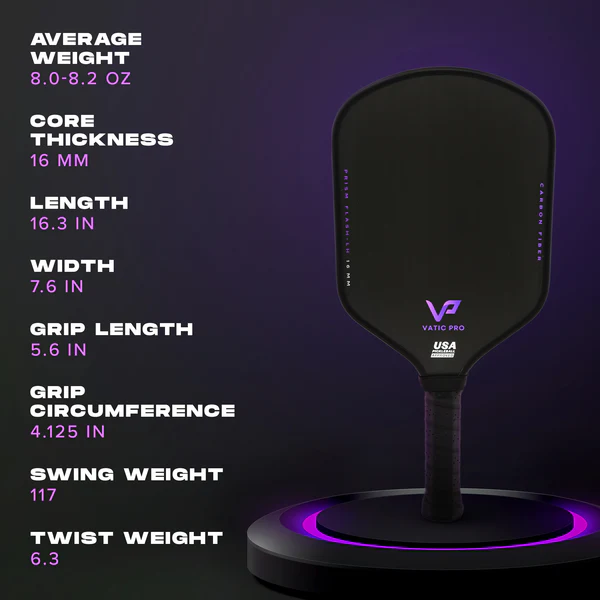
If your paddle is twisting in your hand upon impact, it usually means you are missing the “sweet spot” of the core or your grip is too loose. While you want a loose grip pressure (3/10) to absorb pace, your wrist structure must remain solid and locked. If you continue to struggle against heavy pace, consider looking at advanced hybrid or thermoformed paddles that feature edge-foam perimeter weighting for a maximized sweet spot.
What is the best return of serve geometry against an aggressive team?
Aim down the center T-line. Hitting a deep return right down the middle boundary line of the opponent’s court does two brilliant things: it cuts down the angles they can use to drive the ball past you down the sidelines, and it frequently creates a moment of hesitation between partners over who takes the shot, completely disrupting their rhythm.